Crucifixion Lantern Layered SVG: A Design Masterpiece
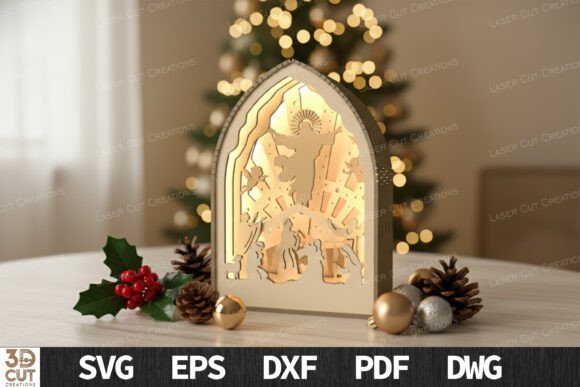
Imagine transforming a simple sheet of plywood into a glowing, three-dimensional narrative that captures the essence of the holiday season with profound visual depth. This is exactly what the Crucifixion Lantern Layered SVG achieves, offering designers and makers a unique opportunity to blend traditional storytelling with modern laser-cutting precision. In the realm of visual design, the ability to create tangible, multi-layered assets sets a project apart from standard flat graphics, providing a tactile experience that resonates deeply with audiences.
The Intersection of Digital Assets and Physical Craft
From a professional graphic design perspective, the value of layered vector files extends far beyond the digital screen. While web design and UI design often prioritize two-dimensional aesthetics, physical media like lanterns require a sophisticated understanding of spatial composition. The Crucifixion Lantern Layered SVG serves as a bridge between digital creativity and physical reality. It demonstrates how clean vector paths can translate into intricate, interlocking pieces that form a cohesive whole when assembled.
This approach mirrors the principles used in high-end packaging design and editorial layouts, where layering creates visual hierarchy and draws the viewer's eye through a structured journey. By optimizing these files for 3mm materials such as MDF or acrylic, the design ensures structural integrity while maintaining delicate details. This balance is crucial for any designer aiming to produce premium creative assets that function as both art and functional objects.
Enhancing Visual Communication Through Depth
Incorporating layered designs into your workflow elevates the overall quality of your output. When applied to brand identity projects, such depth can symbolize complexity and thoughtfulness. For instance, a brand focused on heritage or craftsmanship might use similar layered concepts in their logo design or marketing collateral to convey stability and tradition. The way light interacts with the layers of this lantern—casting shadows and creating a warm glow—parallels how effective visual communication uses contrast and focus to guide user attention.
Designers can apply these same principles across various mediums:
- Marketing Materials: Use layered cut-outs for pop-up brochures or event signage that demand attention.
- Social Media Graphics: Create mockups of physical products to showcase texture and dimension in digital ads.
- Merchandise: Develop limited-edition holiday items that offer a higher perceived value than standard printed goods.
- Advertising Campaigns: Utilize the concept of "layers" metaphorically in print ads to suggest depth of character or product features.
Optimizing Your Design Workflow
Utilizing a file set that includes SVG, EPS, DXF, PDF, and DWG formats streamlines the design workflow significantly. Whether you are working with Glowforge, xTool, or Thunder Laser machines, having compatible files reduces the time spent on conversion and troubleshooting. This efficiency allows creatives to focus more on the artistic execution and less on technical hurdles. For beginners, the clean lines and optimized geometry ensure successful cuts, while experienced crafters appreciate the flexibility to modify parameters for different material thicknesses.
When selecting creative assets for your projects, consider factors like scalability and versatility. A well-constructed layered SVG maintains its clarity regardless of size, making it suitable for everything from small desk ornaments to large-scale window displays. Furthermore, the neutral yet evocative nature of the design allows it to fit seamlessly into various color palettes and aesthetic themes, from rustic farmhouse to modern minimalism.
Strategic Applications in Modern Branding
Beyond the immediate application of holiday décor, the techniques used in creating the Crucifixion Lantern Layered SVG offer valuable lessons for broader design challenges. In UX design, understanding how elements stack and interact helps in building intuitive interfaces. Similarly, in print design, the strategic use of layers can add texture and interest without overwhelming the layout. By studying how these specific layers interlock to create a 3D effect, designers can learn to manipulate negative space and positive forms more effectively in their own work.
As we move towards an era where digital and physical experiences increasingly converge, the ability to produce high-quality, multi-dimensional assets becomes a competitive advantage. Whether you are crafting a personal gift or developing a commercial product line, the attention to detail found in these layered files reflects a commitment to excellence. Ultimately, thoughtful design choices like these do more than just look good; they communicate care, precision, and a deep respect for the audience's experience.