Interior Background JPG: The Secret to Professional Product Presentation
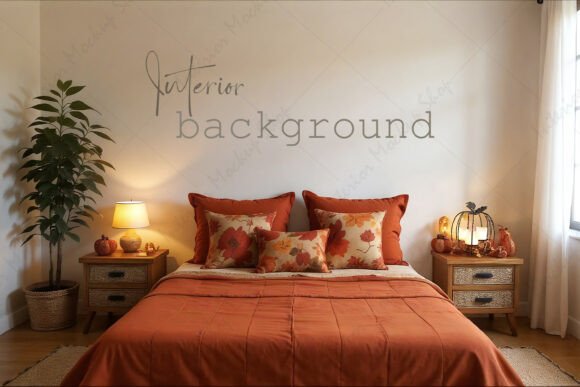
In the crowded digital marketplace, the difference between a product that sells and one that gets scrolled past often comes down to a single image. An Interior Background JPG is not merely a picture of a room; it is a strategic tool designed to contextualize your work instantly. Whether you are selling fonts, digital art, logos, or physical home decor, placing your creation into a realistic environment transforms an abstract concept into a tangible reality. This approach allows potential buyers to visualize exactly how your lettering looks on a wall, how a poster frames a window, or how a logo appears on a business card resting on a wooden table.
The "Interior Mockup Shop" provides original products specifically curated for this purpose. By offering high-resolution files at 3600 x 2400 PX, these resources ensure that when you print or display your final design, the quality remains crisp and professional. However, simply downloading a file does not guarantee success. Many creators make avoidable mistakes when selecting and applying these backgrounds, which can undermine their brand's perceived value. Understanding the nuances of style, resolution, and lighting is essential for maximizing the impact of your presentation.
Common Mistakes When Choosing Interior Backgrounds
One of the most frequent errors designers and entrepreneurs make is prioritizing aesthetics over compatibility. It is tempting to choose a background that looks stunning in isolation—perhaps a bohemian living room with intricate rattan details or a stark Scandinavian bedroom—but if the lighting or color palette clashes with your product, the result can be jarring. For example, placing a vibrant, neon-colored logo onto a rustic, muted earth-tone interior creates visual dissonance that confuses the viewer. The goal is harmony, not competition. Your product should feel like it belongs in that space, not like a sticker slapped on top.
Another critical oversight involves resolution and scalability. Many free or low-cost mockups suffer from compression artifacts or insufficient pixel dimensions. If you download an image that is too small, enlarging it for a website banner or a print catalog will result in pixelation and blurriness. This immediately signals "low quality" to your audience. A professional Interior Background JPG must be high-resolution enough to support close-up cropping without losing detail. The 3600 x 2400 PX standard provided by reputable sources ensures that your images remain sharp across various platforms, from social media thumbnails to large-format prints.
Creators also frequently overlook the importance of the "empty" space within the composition. A busy interior filled with too much furniture, clutter, or distracting patterns can draw the eye away from your actual product. If you are showcasing a piece of minimalist art, a chaotic retro room with ethnic textiles might obscure the very details you want to highlight. The background should act as a stage, not the lead actor. Without sufficient negative space or a clear focal point, your message gets lost in the noise.
The Impact of Style and Atmosphere on Perception
The atmosphere you create directly influences how your product is perceived. Different styles evoke different emotions and target different demographics. A luxury setting with sleek lines and expensive-looking furniture suggests high-end pricing and exclusivity. Conversely, a rustic or boho environment with wicker chairs and natural textures appeals to those seeking warmth, comfort, and authenticity. Misaligning your product with the wrong style can alienate your target audience.
Consider a designer selling modern calligraphy fonts. Presenting these letters on a blank white canvas is functional but boring. Placing them in a modern living room with a large window and soft natural light tells a story about elegance and contemporary living. Alternatively, using a retro template with vintage furniture might suggest a nostalgic, artistic vibe. The choice of background sets the narrative. If you are selling a bold, industrial-style lamp, a soft, floral-filled bedroom might feel out of place, whereas a minimalist, concrete-walled loft would reinforce the product's identity.
Furthermore, the presence or absence of people matters. While some mockups include models to show scale, many professionals prefer a "nobody" approach—rooms that are empty of humans. This keeps the focus entirely on the product and the interior design itself. It allows the viewer to imagine themselves in the space without being distracted by a stranger's face or posture. A clean, uncluttered room often communicates sophistication and calm, which is ideal for selling art, posters, and home decor.
Practical Advice for Selecting and Using Mockups
To avoid these pitfalls, start by defining your brand identity before browsing for templates. Ask yourself: Who is my customer? What emotion do I want to evoke? Once you have clarity, look for specific keywords that match your vision. Terms like scandinavian, ethnic, deco, or comfortable can guide you toward the right aesthetic. Ensure the lighting in the mockup matches the tone of your artwork. If your design is bright and airy, choose a room with ample natural light streaming through a window. If your work is moody and dramatic, a dimly lit corner with a warm lamp might be more appropriate.
Always inspect the technical specifications before purchasing or downloading. Verify that the file size meets your needs. For professional printing or high-definition web displays, a resolution of at least 3600 x 2400 pixels is recommended. Check the file format as well; a high-quality JPG is versatile, but ensure it has not been overly compressed. If you plan to use the mockup for multiple projects, consider investing in a bundle or a shop that offers original, high-quality renders rather than generic stock photos that everyone else is using.
When applying your product to the background, pay attention to perspective and shadows. Even with a good template, if your lettering or image does not follow the vanishing points of the room, it will look fake. Use smart objects or editing tools to warp your design so it aligns perfectly with the walls, floors, or furniture surfaces. Add subtle shadows or reflections to ground your product in the scene. These small details make the difference between a convincing presentation and a transparent photoshop job.
Evaluating Quality Before You Commit
Before making a decision, review the portfolio of the seller. Does the "Interior Mockup Shop" provide consistent quality across their range? Look for examples of 3d render work that shows depth and texture. Realistic materials like wood grain, fabric textures on a chair, or the weave of a wicker basket add credibility to your presentation. Avoid templates where the textures look flat or repetitive.
Also, consider the versatility of the template. Can it accommodate different types of content? A good interior background should work for a poster, a canvas print, a frame, or even a digital screen on a desk. Flexibility increases the return on your investment. If a template is too rigid, you may find yourself needing to buy multiple assets to cover all your marketing needs.
Ultimately, the right Interior Background JPG acts as a silent salesperson. It builds trust, demonstrates quality, and helps customers envision your product in their own lives. By avoiding common mistakes regarding style mismatches, low resolution, and poor integration, you ensure that your presentation elevates your brand rather than detracting from it. Take the time to choose wisely, apply your designs thoughtfully, and watch as your recognition and sales grow.