Swing Planter Laser Cut Wooden Animal: A Practical Review
The intersection of digital design and physical craftsmanship has created a unique niche for makers who utilize laser cutting technology. Among the various assets available in this space, the Swing Planter Laser Cut Wooden Animal stands out as a versatile project file designed for both hobbyists and small business owners. This digital asset is not merely a decorative pattern; it represents a functional approach to home décor that merges organic shapes with mechanical precision. For professionals operating CNC machines or laser cutters, understanding the technical nuances of such files is essential for producing high-quality end products.
Understanding the Design Intent and Functionality
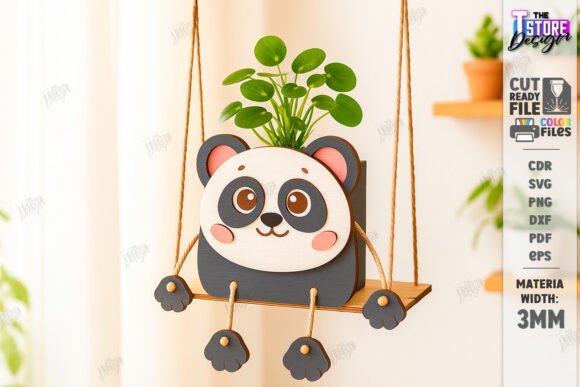
The core concept behind the Swing Planter Laser Cut Wooden Animal is straightforward yet effective. It combines the whimsical appeal of an animal figure with the utility of a planter holder. Unlike static plant stands, this design incorporates a swinging mechanism, adding kinetic interest to any garden or indoor setting. The "3D Laser Flower Holder" aspect of the description implies a multi-layered construction where depth is achieved through the assembly of flat-cut pieces. This technique allows creators to produce items that appear three-dimensional without requiring complex 3D printing or molding equipment.
From a practical standpoint, this design serves a dual purpose. First, it acts as a decorative element, bringing a touch of nature-inspired art into living spaces. Second, it functions as a robust planter holder capable of supporting small potted plants. The versatility of the design makes it suitable for various environments, from balcony gardens to office desks. For entrepreneurs looking to expand their product lines, offering a Swing Planter Laser Cut Wooden Animal provides a tangible way to cater to the growing market for personalized, handcrafted home decorations.
Technical Specifications and File Compatibility
When evaluating digital assets for laser cutting, file format compatibility is often the most critical factor. The package for the Swing Planter Laser Cut Wooden Animal includes a comprehensive suite of formats: SVG, EPS, PNG, PDF, and DXF. This variety ensures that users can work with almost any standard design software or machine interface. However, experience dictates that not all formats perform equally well across different platforms.
A key consideration for operators using Lightburn software is the potential for dimensional distortion when importing SVG files. While SVGs are widely supported, they can sometimes introduce scaling errors that compromise the fit of interlocking parts. In such cases, the DXF file included in the archive is the superior choice. DXF (Drawing Exchange Format) is a vector graphics file type specifically designed for CAD applications, making it highly reliable for maintaining precise dimensions during the cutting process. For professional workflows where accuracy is paramount, prioritizing the DXF file over the SVG can save significant time on troubleshooting and material waste.
The file structure also adheres to industry-standard color coding for machine operations:
- Red lines indicate paths for cutting.
- Black lines designate areas for engraving.
This clear distinction streamlines the setup process, allowing operators to quickly configure power and speed settings for each operation. Whether you are using a CO2 laser or a diode laser, having these layers clearly defined reduces the risk of user error during the production phase.
Material Selection and Construction Quality
The success of the Swing Planter Laser Cut Wooden Animal largely depends on the material chosen for fabrication. Plywood, MDF, and basswood are common choices for this type of project, each offering distinct advantages. Plywood provides excellent structural integrity and resistance to warping, which is crucial for a hanging planter that must bear weight. Basswood, known for its fine grain and light color, offers a premium finish that highlights the intricate details of the animal silhouette.
For outdoor applications, such as a garden decoration, material selection becomes even more critical. Untreated wood may degrade quickly when exposed to moisture and sunlight. To ensure long-term value, creators should consider sealing the finished product with a weather-resistant varnish or using marine-grade plywood. The design's layered nature means that joints must be tight and secure. If the swing mechanism relies on friction fits rather than hardware, the precision of the laser cut becomes the primary determinant of durability. Any deviation in kerf width or alignment could result in a loose fit, compromising the stability of the planter.
Market Viability and Business Applications
For small business owners and freelancers, the Swing Planter Laser Cut Wooden Animal presents a viable opportunity for revenue generation. The current trend in home décor favors unique, artisanal items over mass-produced goods. Consumers are increasingly willing to pay a premium for products that tell a story or reflect personal style. By customizing the animal motif or adapting the size of the planter, creators can differentiate their offerings in a competitive marketplace.
This asset is particularly well-suited for seasonal marketing campaigns. For instance, creating a version of the planter with specific animals associated with holidays—such as pumpkins for autumn or bunnies for spring—can drive sales during peak shopping periods. Additionally, the ability to offer customization services, such as engraving names or dates onto the wooden surface, adds significant value to the final product. The inclusion of multiple file formats facilitates this flexibility, allowing designers to easily modify the layout or scale the design to fit different pot sizes.
However, it is important to manage expectations regarding production volume. Laser cutting is inherently slower than injection molding or other mass-production methods. Therefore, this product is best positioned as a boutique item rather than a commodity. Pricing strategies should reflect the labor, material costs, and machine time required to produce each unit. Understanding the target audience—adults aged 20–50 who appreciate craftsmanship—is essential for effective marketing and sales.
Practical Limitations and Workflow Considerations
While the Swing Planter Laser Cut Wooden Animal is a robust design, it is not without limitations. One potential challenge is the complexity of assembly. Multi-part designs require careful handling to ensure that all components align correctly. Creators must account for the time spent on sanding edges, removing char marks, and assembling the swing mechanism. These post-processing steps can significantly impact the overall turnaround time for orders.
Furthermore, the reliance on specific file formats means that users must have access to compatible software. While the package includes various options, some older machines or proprietary systems may struggle with certain formats. It is advisable to test the files on a scrap piece of material before committing to a full production run. This practice helps identify any scaling issues or layer misalignments early in the process.
Another consideration is the scalability of the design. While the default dimensions may suit standard flower pots, larger or irregularly shaped containers may require adjustments to the file. Fortunately, the availability of editable vector formats like SVG and EPS allows for easy resizing. However, resizing too drastically can alter the proportions of the animal figure, potentially affecting the aesthetic balance. Users should experiment with different scales to find the optimal ratio between the animal shape and the planter size.
Final Assessment for Makers and Creators
The Swing Planter Laser Cut Wooden Animal is a valuable resource for anyone invested in the laser cutting ecosystem. Its combination of aesthetic appeal, functional utility, and technical adaptability makes it a strong candidate for both personal projects and commercial ventures. The inclusion of multiple file formats, particularly the reliable DXF option, demonstrates a thoughtful approach to user needs. By addressing common pitfalls such as software distortion and providing clear instructions for cutting and engraving, the creator of this asset has ensured a smoother workflow for end-users.
Ultimately, the value of this digital product lies in its potential to transform raw materials into meaningful objects. Whether used to decorate a home, enhance a garden, or generate income through a creative business, the Swing Planter Laser Cut Wooden Animal offers a solid foundation for innovation. As with any tool or resource, success depends on the skill and creativity of the operator. Those who take the time to understand the nuances of the design and optimize their production processes will find this asset to be a rewarding addition to their portfolio.